05-06.11.2026
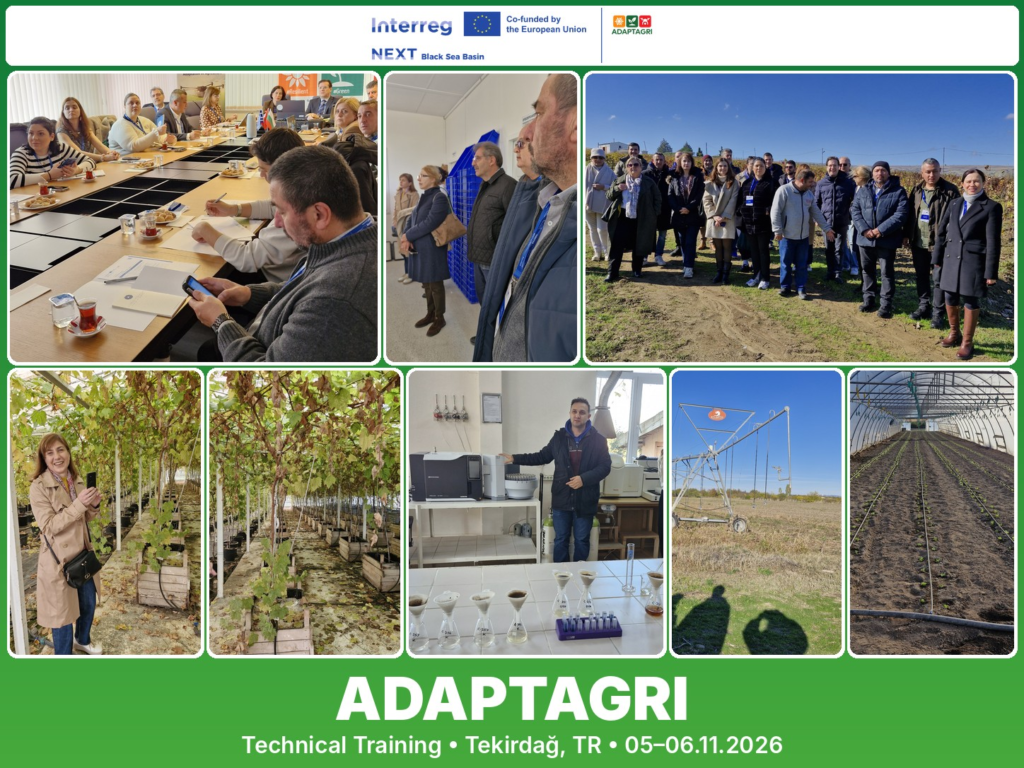
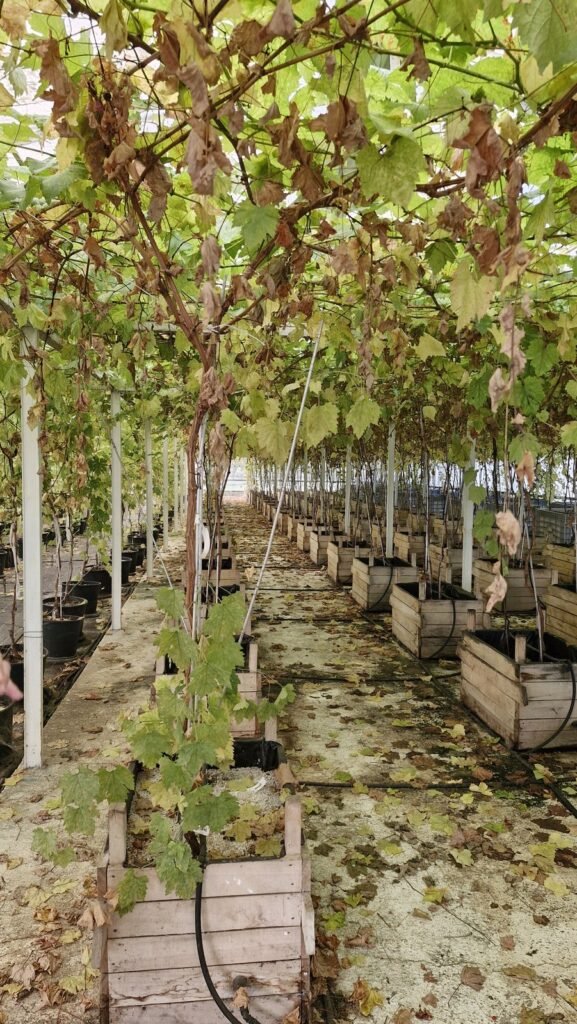
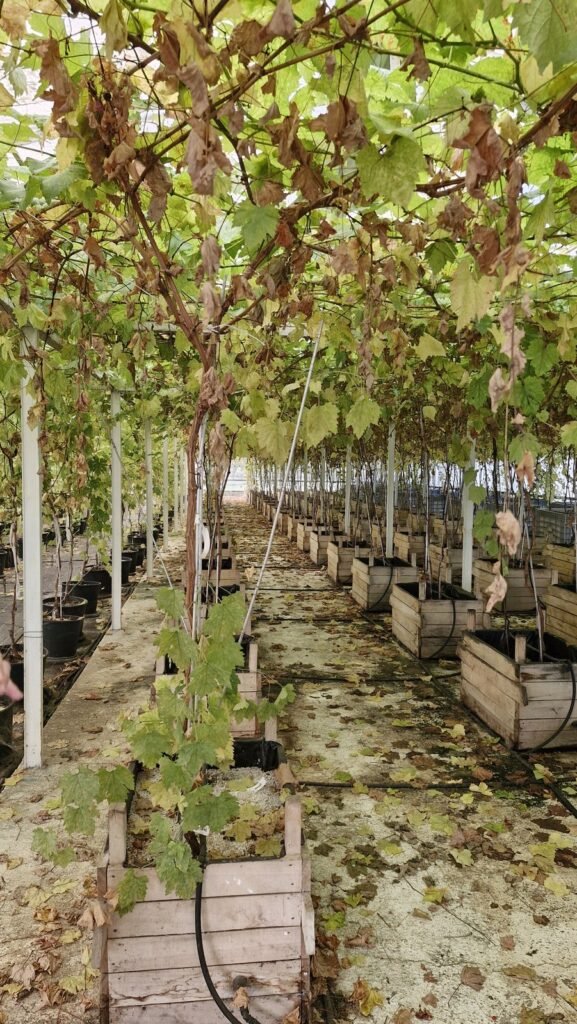
Grapevines growing in wooden crates with only a little soil. Next to them – tanks of nutrient solution reaching the roots drop by drop. That is one of the pictures we brought back from Tekirdağ, Türkiye, where the ADAPTAGRI Technical Training took place on 5 and 6 November 2026 with the participation of the Dobrudzha Agrarian and Business School.
Day one: one table, three countries
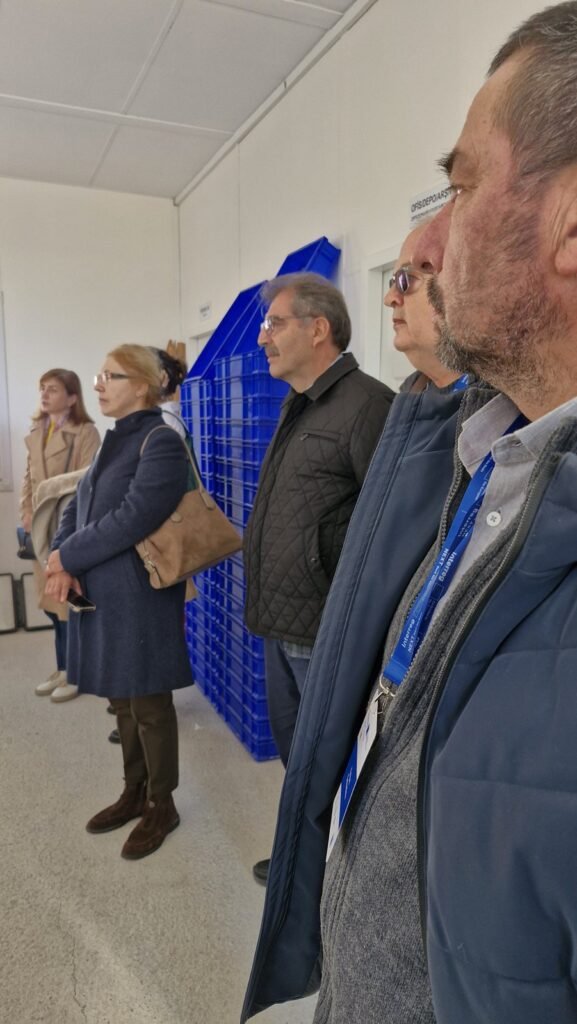
Farmers, scientists and partners from Türkiye, Greece and Bulgaria gathered around the long table in the meeting room of the Trakya Development Agency. The conversation started with the farmers themselves: Dr Harun Hurma showed what farmers in Thrace think about climate change and how ready they are for smart agriculture. Tzvetalina Genova of the Dobrudzha Agrarian and Business School turned attention to the dinner table – how new food and EU quality schemes can make farming more climate-resilient and more profitable for producers. Tuğrul Kağan Asan of the Trakya Development Agency explained how the European Digital Innovation Hubs help farms adopt new technologies. Dr Dimitrios Raptis of the Geotechnical Chamber of Greece brought examples from Greek experience, and Professor Christos Damalas of the Democritus University of Thrace joined online from Orestiada with innovative practices from the field.
Day two: drones, laboratories and vines in a handful of soil
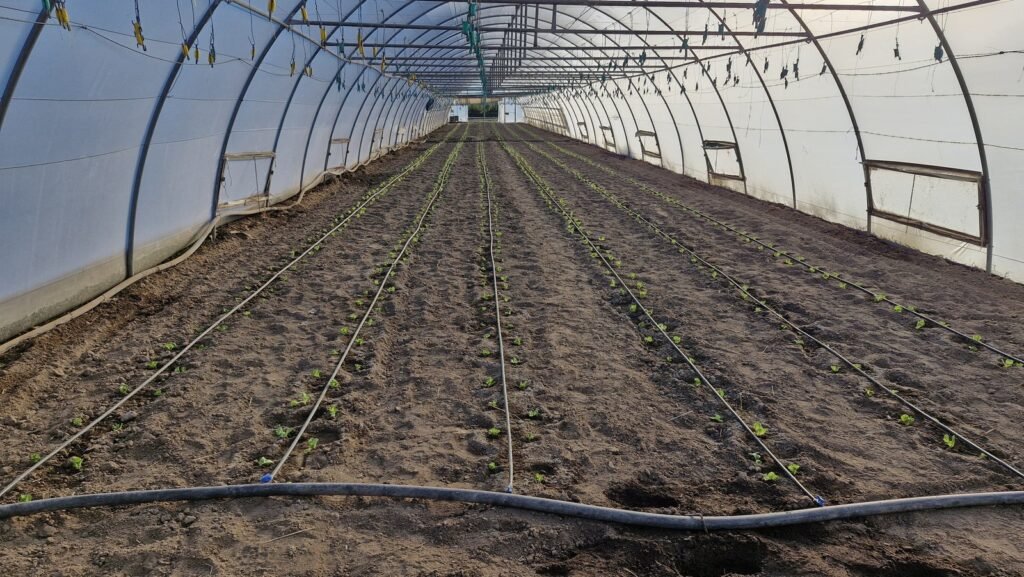
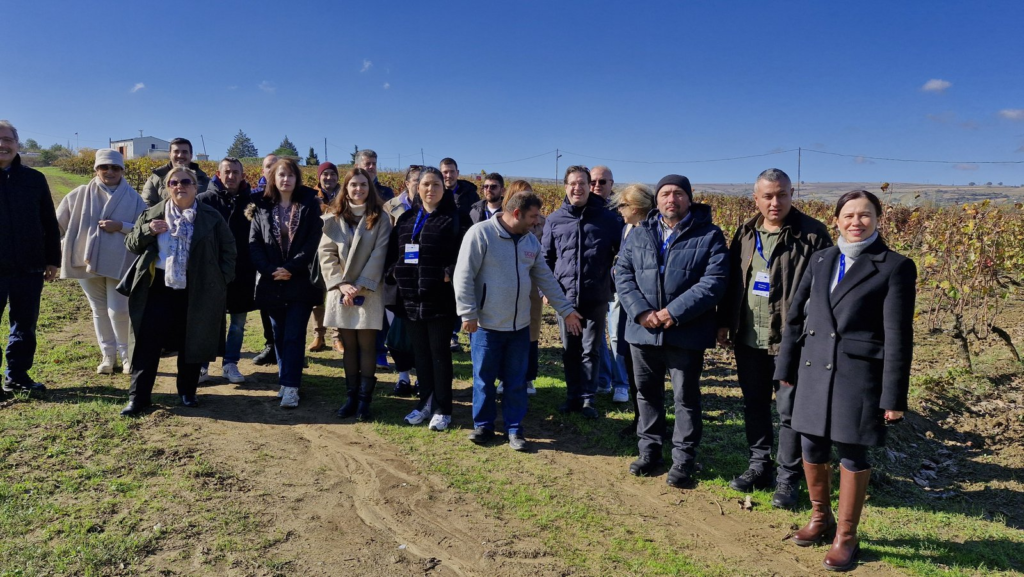
Day two started with drones. At the Tekirdağ Viticulture Research Institute, our hosts showed us large agricultural drones and explained how they are prepared for spraying. We walked through the agricultural machinery testing laboratory and the institute’s bright research laboratories. The real surprise, though, was the greenhouse: vines growing in crates with barely a handful of soil, with water and nutrients reaching them through thin tubes, exactly as much as they need. Here researchers test how Thracian grape varieties cope with so little soil and what organic and chemical fertilisers give them. In the afternoon we travelled on to Kırklareli, to the Atatürk Soil, Water and Agricultural Meteorology Research Institute. In the laboratory we saw how a small soil sample reveals exactly what a field is missing; out in the field stood a huge centre-pivot irrigation system, and in the greenhouse rows of young plants were watered drop by drop.
What we bring home
Drought, heatwaves, ever more expensive water – when it comes to climate, Thrace and Dobrudzha speak the same language. In Tekirdağ we saw that science already has answers that work in real conditions. Now it is our turn to share them with farmers in Dobrudzha.
We would like to thank our partners and hosts in Tekirdağ for the excellent organisation, rewarding conversations and warm hospitality!
Have a question about your farm? The Help Centre of the Dobrudzha Agrarian and Business School in Dobrich answers free of charge, Monday to Friday, 10:00–12:00, on +359 885 398 656 and at adaptagri.helpdesk@gmail.com.
ADAPTAGRI is co-financed by the European Union through the Interreg VI-B NEXT Black Sea Basin 2021–2027 Programme.
This publication was produced with the financial support of the European Union. Its contents are the sole responsibility of the Dobrudzha Agrarian and Business School and do not necessarily reflect the views of the European Union or the Interreg NEXT Black Sea Basin Programme.