94,000 hectares in 16 days: lessons from Albena on climate and agriculture
August 2023. A wildfire breaks out in Evros, Greece. In 16 days it burns around 94,000 hectares and destroys 58% of Dadia National Park – a refuge of the rare black vulture. Told by our Greek partners, this story was one of the strongest moments of the ADAPTAGRI workshop in Albena on 7 July 2026.
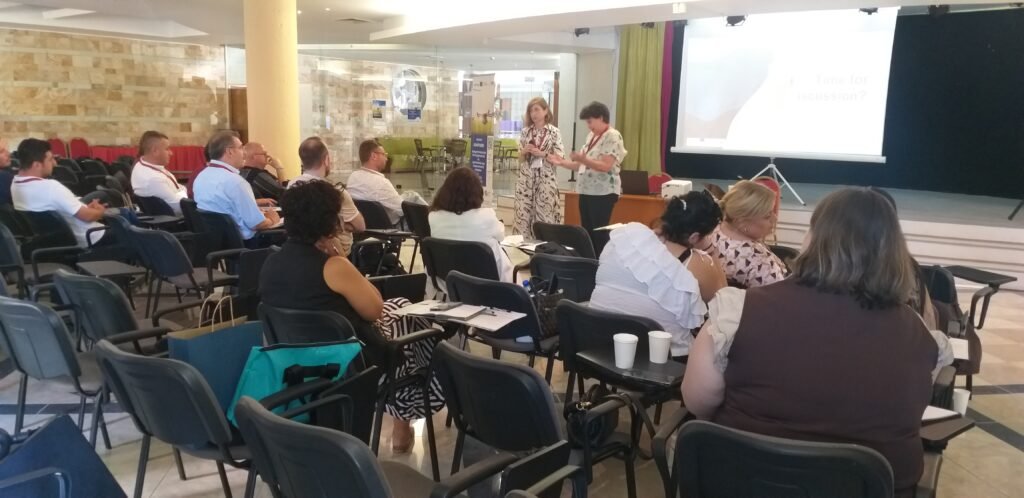
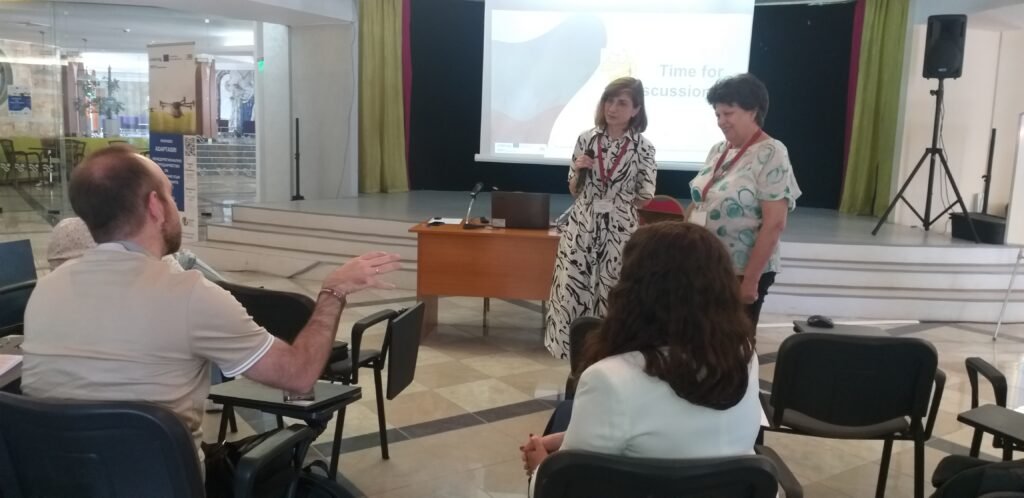
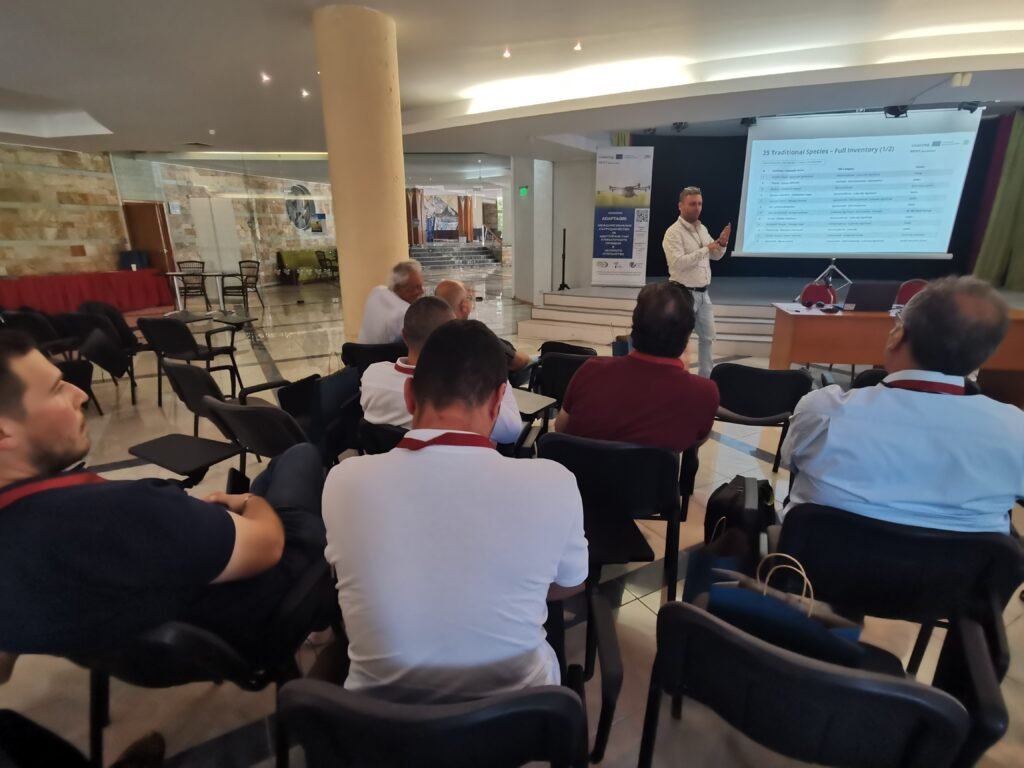
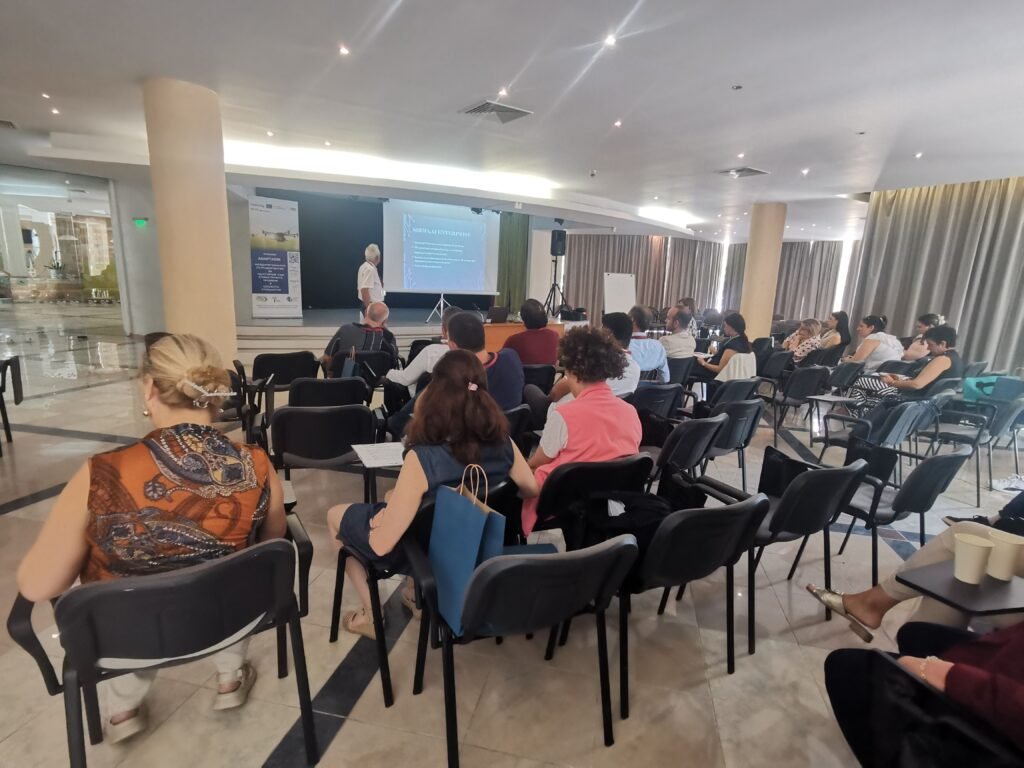
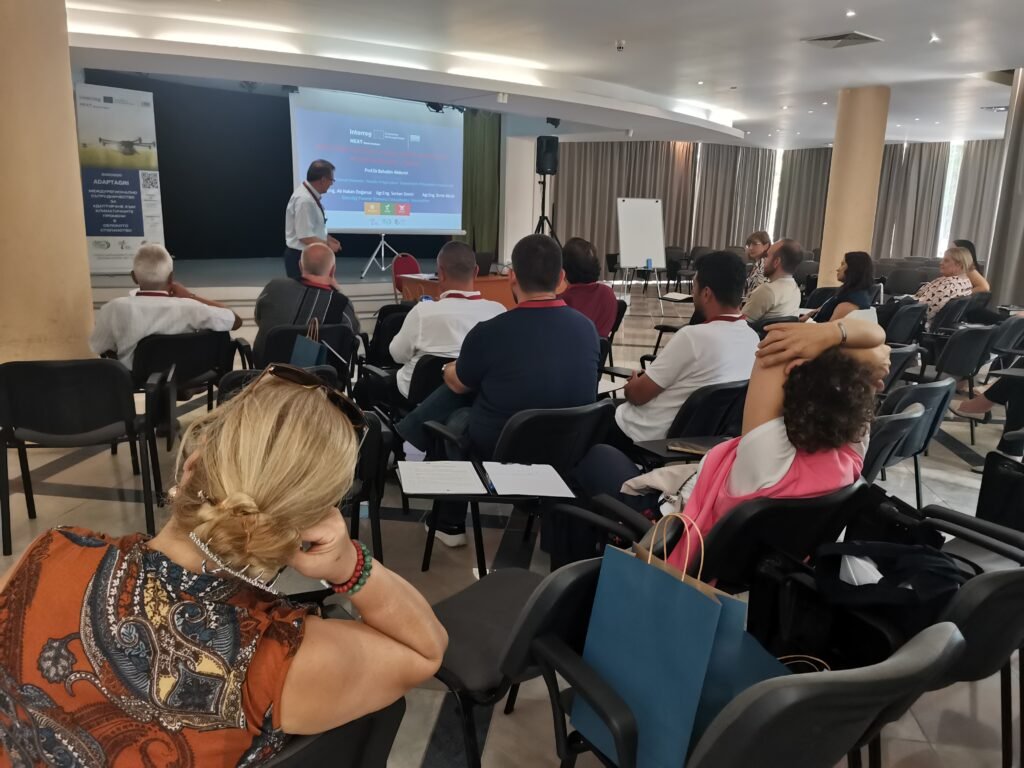
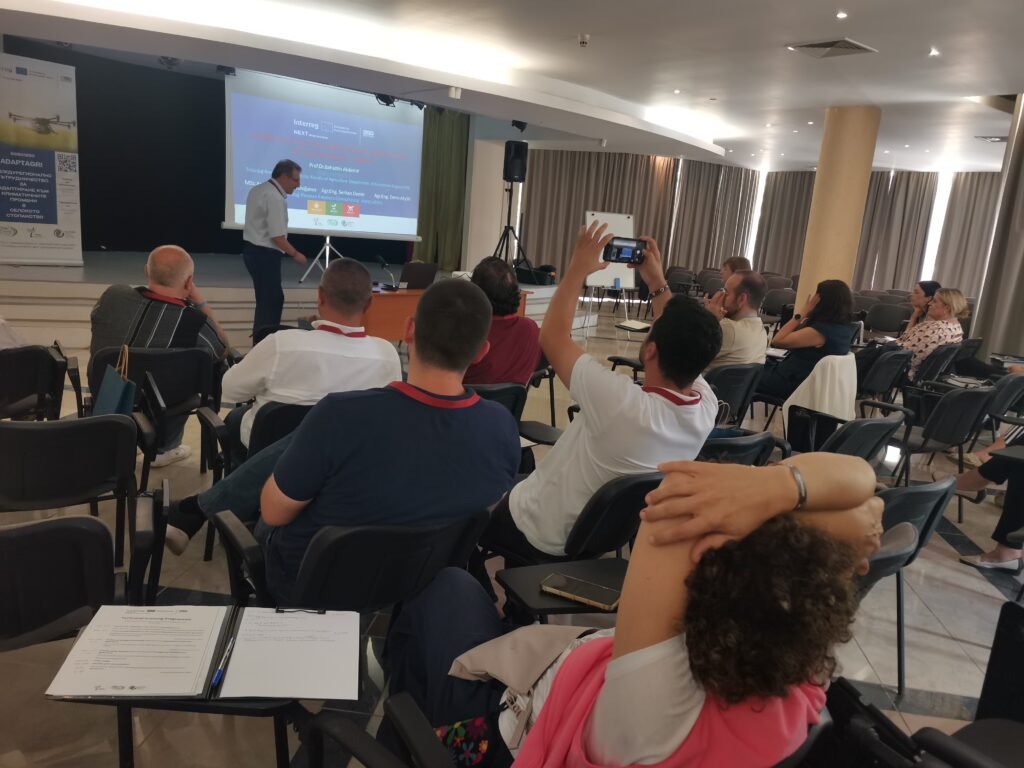
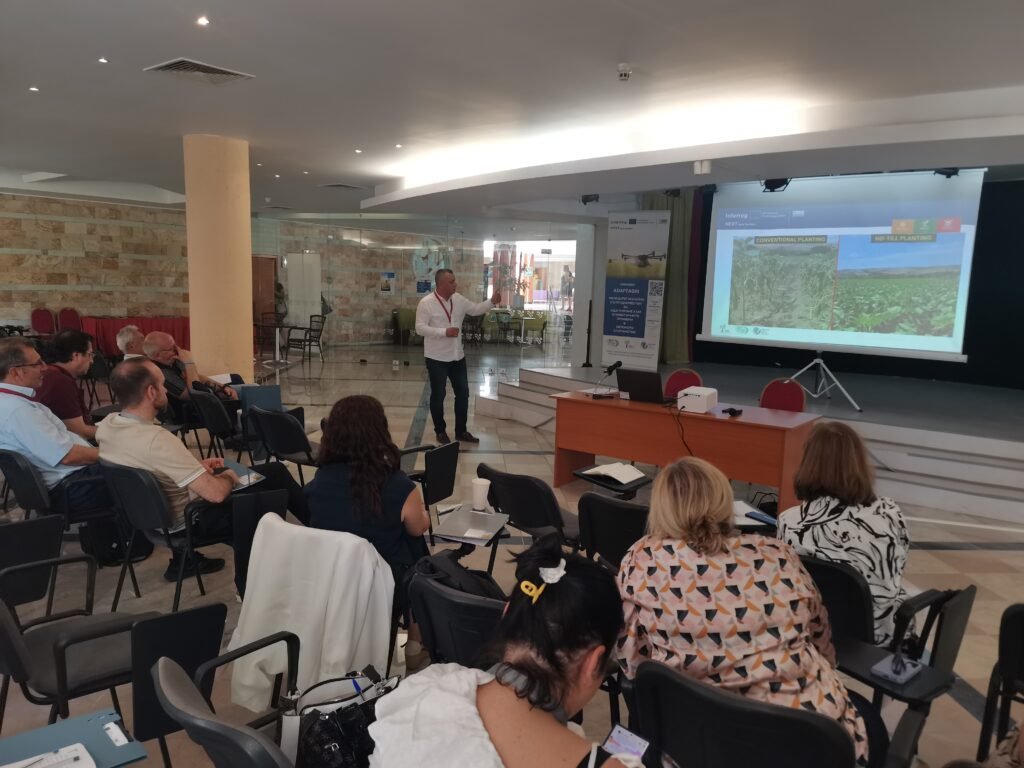
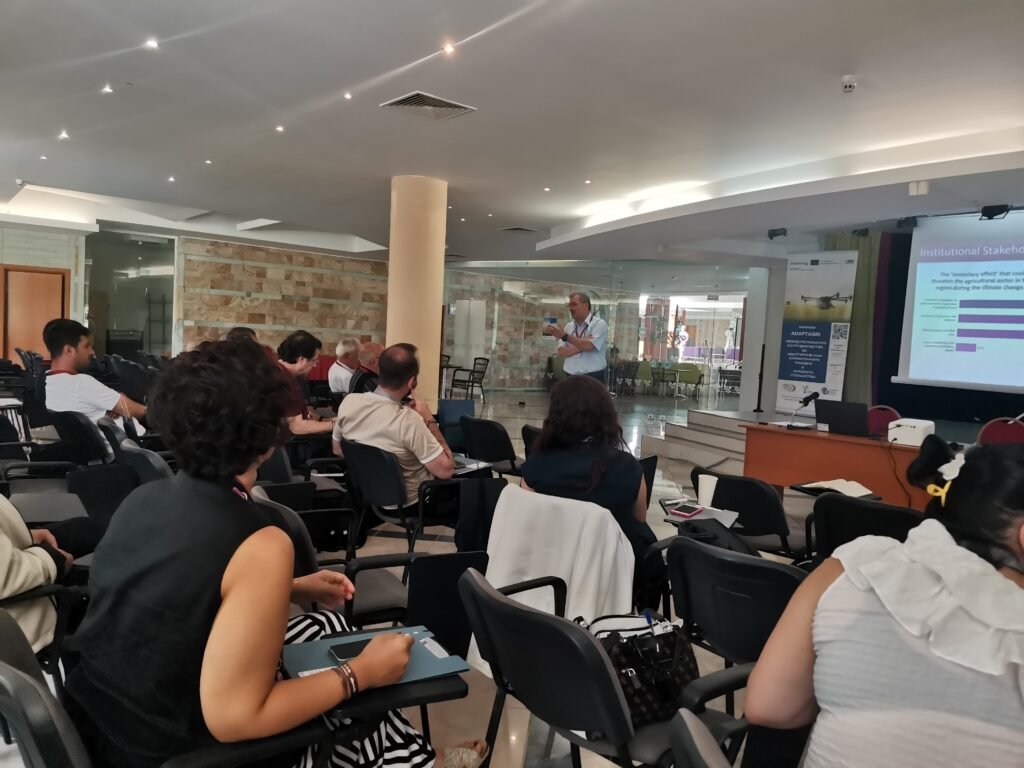
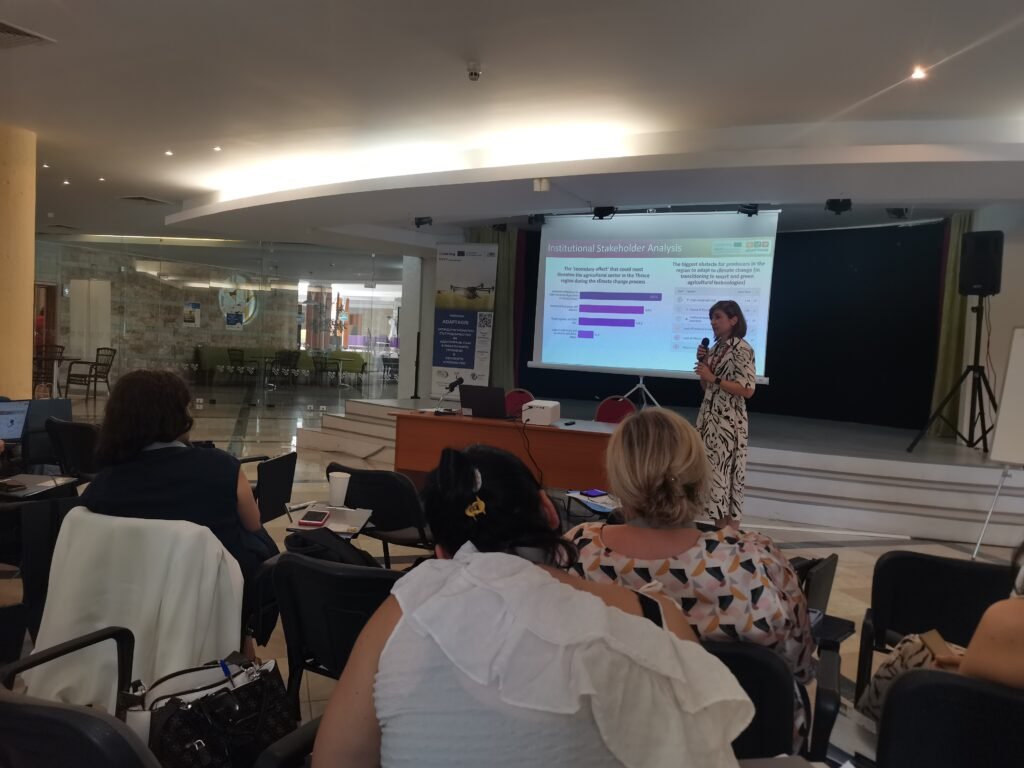
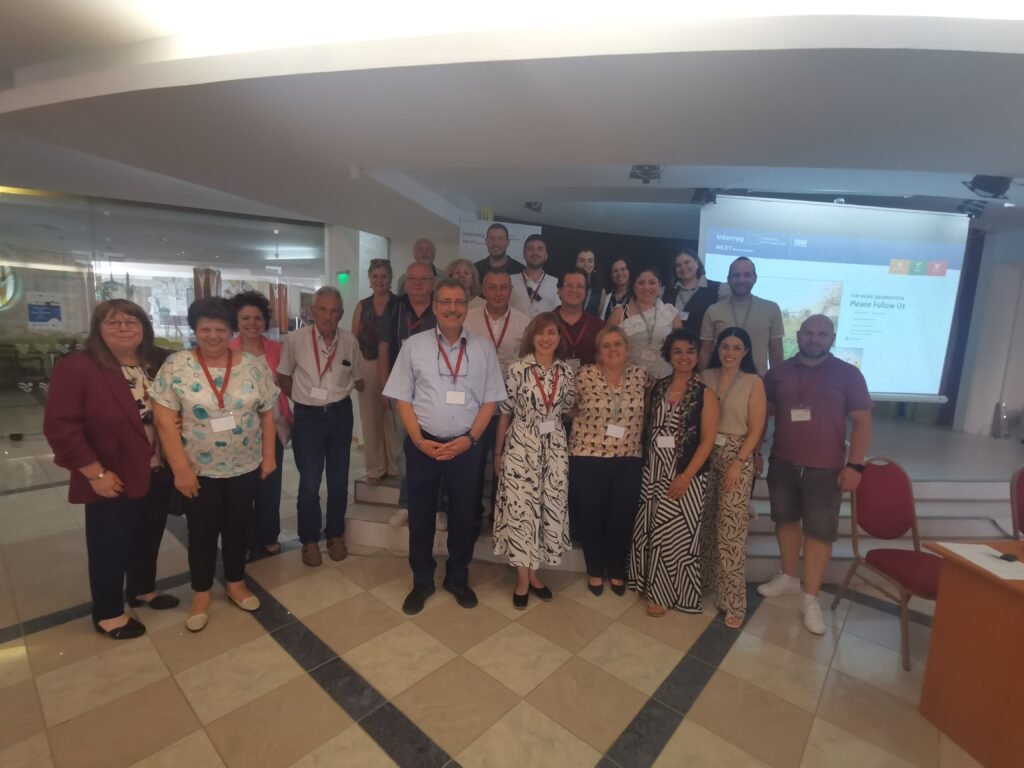
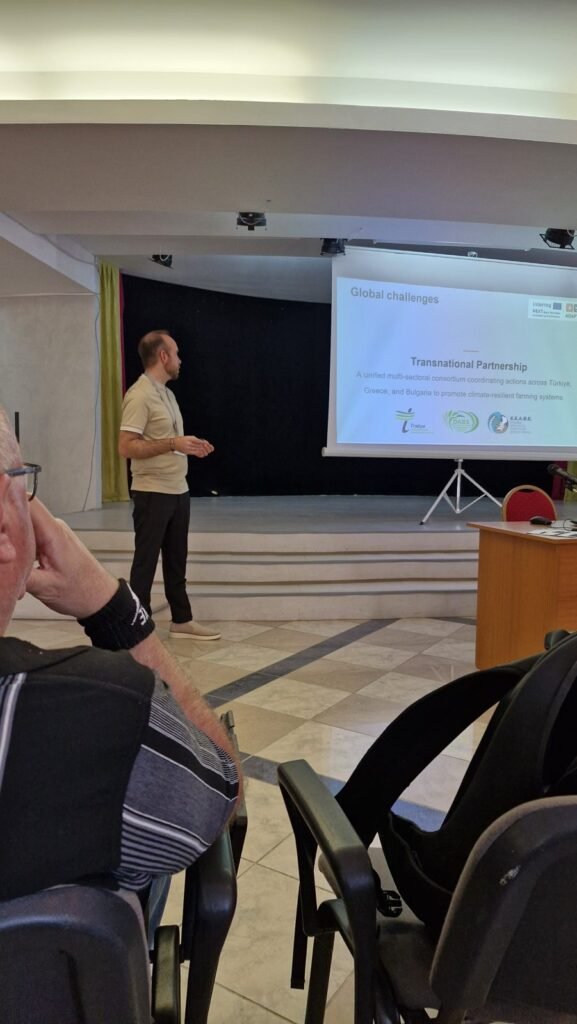
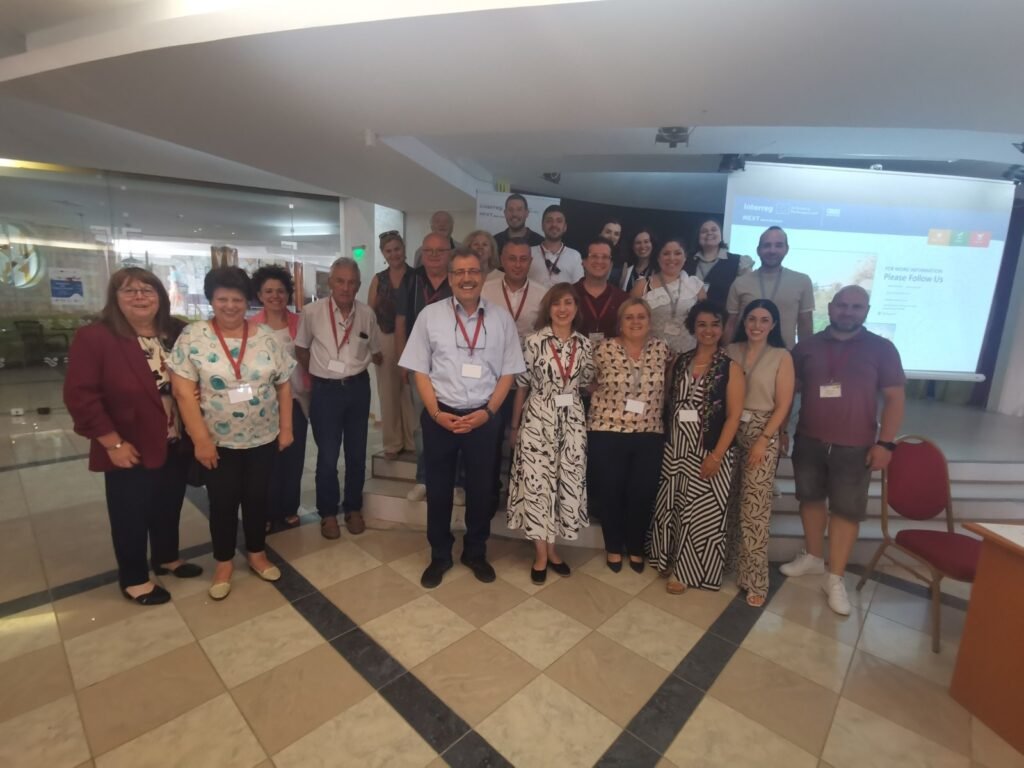
The hall of Hotel Laguna Garden brought together 25 people from three countries: representatives of Bulgarian regional and municipal institutions, 10 public officers from Turkish Thrace, and our partner teams from Türkiye and Greece. People whose decisions reach the fields. The question before them: how can policy, science and technology help agriculture withstand an ever more unpredictable climate?
4.5 billion euros a year
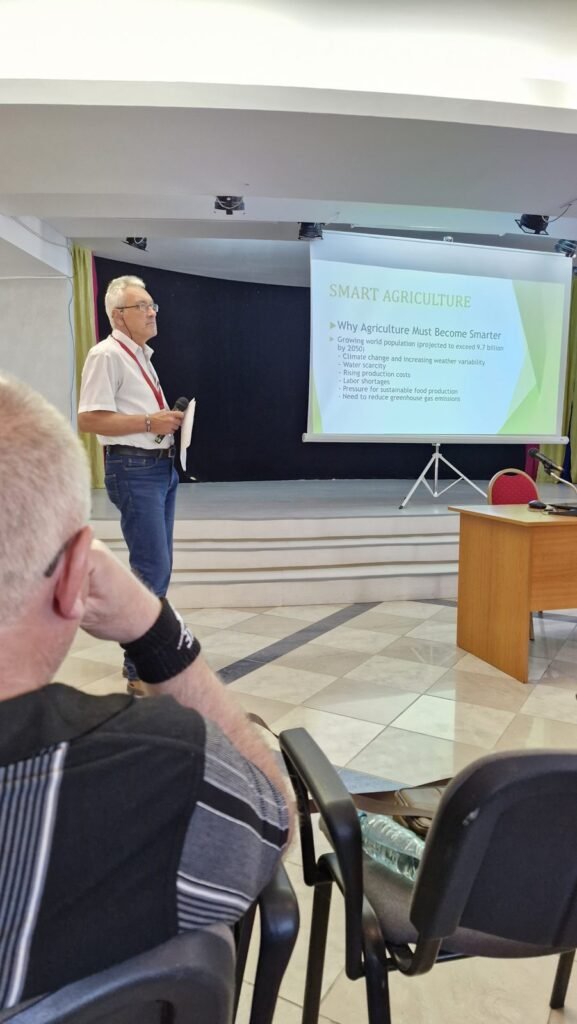
That is how much agriculture in the European Union loses to bad weather. Average temperatures in south-eastern Europe have risen by about 1.5 °C since 1980. But agriculture is not only a victim: it also accounts for around 10–12% of greenhouse gas emissions in the European Union. That is why climate-smart agriculture pursues three goals at once – more stable yields, greater resilience to climate shocks and lower emissions. Georgios Petresis of the Society for Research and Rural Development of Northern Evros showed how our neighbours are coping, with good practices from Greece.
The time is now
How do the Common Agricultural Policy, the Green Deal and the new EU carbon farming certification framework reach an actual farm? Tzvetalina Genova of the Dobrudzha Agrarian and Business School traced the path – from eco-schemes, which must receive at least a quarter of direct payments, to the next programming period, 2028–2034. Her message to public officers was clear: get involved in preparing it now.
From the plough to artificial intelligence
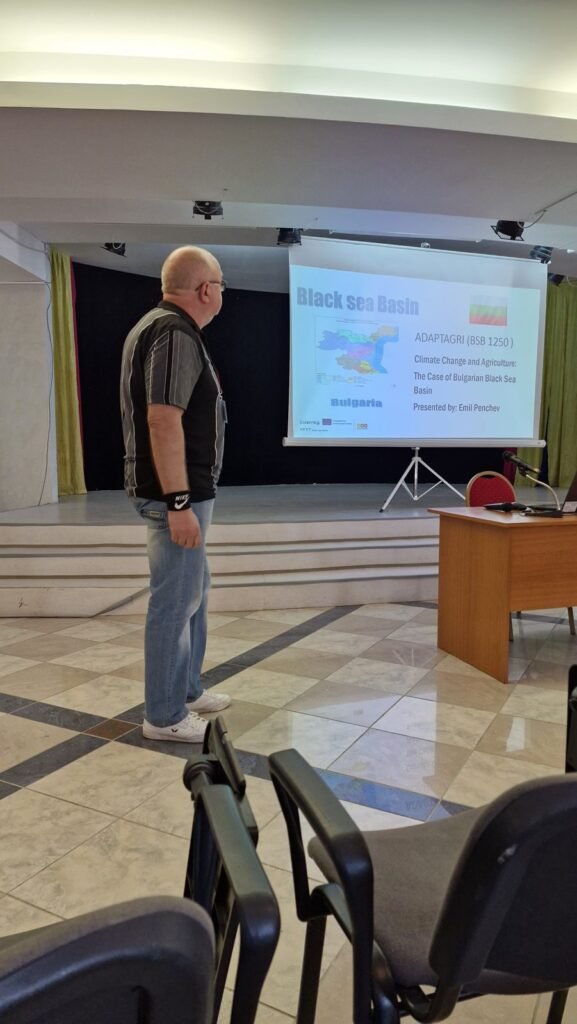
Sensors that track soil moisture in real time. Drones and satellite images that spot a diseased patch before the eye can. Machines that work on their own. That is how Assoc. Prof. Dr Vassil Donev of the International Management Institute and Varna University of Management described “Agriculture 5.0”. Prof. Dr Emil Penchev of the Dobrudzha Agricultural Institute brought the discussion back home – to the Dobrich, Varna and Burgas regions – and to the practices that help wheat, sunflower and maize withstand drought.
What do Kazanlak rose oil and Greek feta have in common?
Both are protected in the European Union. They are among more than 3,700 protected designations and geographical indications that bring in over 75 billion euros in sales a year. Elena Kostadinova of the International Management Institute showed how quality schemes turn local tradition into a market advantage. And since 2024, producers can also include sustainable practices as a mandatory part of a product’s specification.
ADAPTAGRI is co-financed by the European Union through the Interreg VI-B NEXT Black Sea Basin 2021–2027 Programme.
This publication was produced with the financial support of the European Union. Its contents are the sole responsibility of the Dobrudzha Agrarian and Business School and do not necessarily reflect the views of the European Union or the Interreg NEXT Black Sea Basin Programme.